

Cutting wildfire risk at home: Simple steps that work
Cutting wildfire risk at home: Simple steps that work
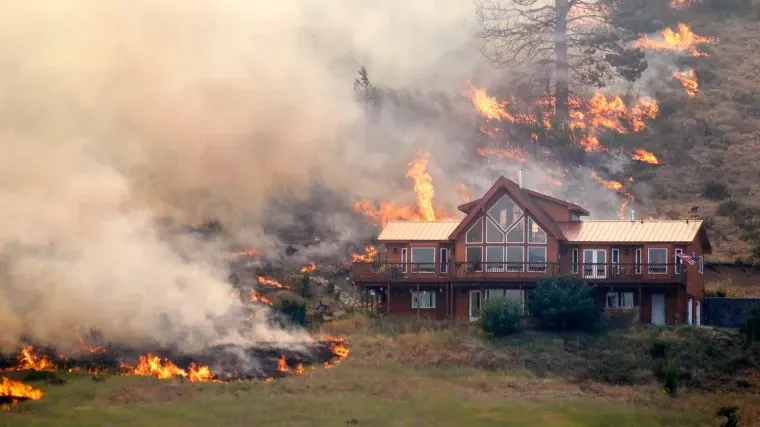
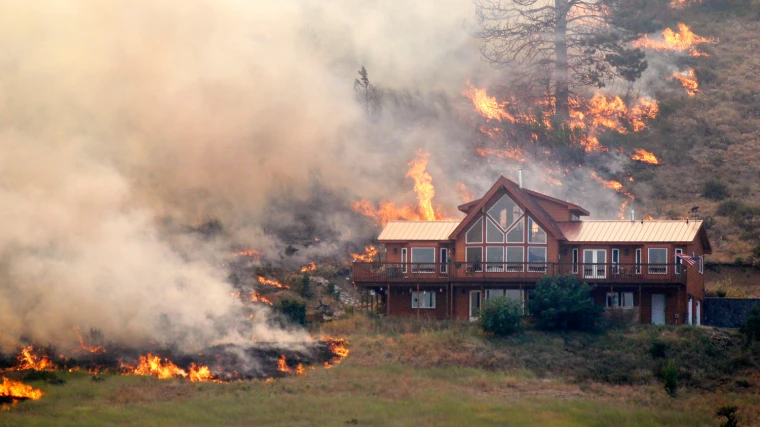
Wildfire risk is a fact of life in Boulder County. The region’s terrain, climate and development patterns make it especially prone to extreme wildfire behavior, according to Boulder County’s Wildfire Partners program.
In fact, fires can ignite at any time and anywhere, and have been recorded every month in locations across the county. But September has had more wildfires than any other month since 1974, per county data.
Boulder County has seen its share of devastating blazes, like the Black Tiger Fire in 1989, the Walker Ranch Fire in 2000, the Fourmile Canyon Fire in 2010, the CalWood and Lefthand Canyon Fire in 2020, and many others.
In 2021, the Marshall Fire became the most destructive wildfire in Colorado's history, destroying 1,084 homes and damaging 149 others, highlighting how quickly suburban neighborhoods and businesses can be consumed when conditions align.
Too many Boulder County families know the devastation firsthand. And with Colorado’s climate trending warmer and drier, wildfires are happening more often and burning more land.
But while the threat is real, homeowners can take meaningful steps to lower their risk.
Protecting home base
Wildfire Partners recently released two do-it-yourself video guides to help homeowners take simple, affordable steps to protect their property. The first video, Protect Home Base, focuses on one of the most vulnerable areas: the bottom six inches of house siding.
Lightweight fuels such as pine needles and leaves often collect where walls meet the ground. Embers and firebrands during a wildfire can land in this debris, creating ignitions. If flames burn against combustible siding, a home can ignite quickly.
Installing noncombustible materials, such as cement fiberboard or metal flashing, along the lower walls dramatically reduces this risk. This upgrade is inexpensive, straightforward, and demonstrated in the video.
The first five feet
The second video, The First Five Feet, emphasizes the importance of creating a noncombustible buffer immediately around the home. Wildfire Partners note that houses are most likely to burn if anything within five feet of the structure ignites.
A simple, low-cost solution is to replace vegetation and wood mulch within five feet of your home with crushed rock and a weed barrier. Wildfire Partners recommends five key steps: remove vegetation, install landscape edging, lay down a weed barrier, calculate and add the right amount of ¾-inch rock, and extend the rock under decks and overhangs.
Avoid fine materials like sand or pea gravel, which can blow away or trap debris. Once installed, maintain the area by removing pine needles, leaves, weeds and any combustible materials.
Creating defensible space
Beyond protecting the immediate home perimeter, homeowners can take additional measures to reduce ignition risk. Wildfire Partners highlights several priorities:
Remove junipers. These plants accumulate dead matter, burn extremely hot and fast, and produce abundant embers that can spread fire.
Use noncombustible fencing for at least the first five feet of fencing that directly contactsthe house. If replacing only part of a wood fence, coordinate with neighbors to maintain a two-foot-wide noncombustible section where fences meet.
Screen vents. Properly fitted vent screens prevent embers from being drawn into the house.
Clear under decks. The space beneath decks should be kept free of any materials or vegetation year-round.
Maintain grass height. Keep grass within 30 feet of structures mowed to four inches or less, then rake and remove clippings to reduce fuel.
All of these steps, taken together, create defensible space—an area around the home where fuels are reduced or eliminated.
Take action
Wildfire risk may be an unavoidable part of life in Boulder County, but preparation can make the difference in your home’s survival. By taking small, affordable steps now, homeowners can significantly enhance their home’s resilience when the next fire strikes.
You can find free video guides, step-by-step instructions and additional resources at wildfirepartners.org/resources/videos.